Unlocking Strategic Control: The Assignment Tracker I KDP Interiors for Your Publishing Business
In the dynamic world of Kindle Direct Publishing (KDP), success is rarely an accident. It is a deliberate outcome forged through consistent planning, meticulous tracking, and systematic execution. The Assignment Tracker I KDP Interiors emerges not as just a printable notebook, but as a tactical tool designed to bring order and intentionality to your publishing workflow. For entrepreneurs, marketers, and content creators operating in this space, a structured approach to managing tasks—from manuscript development to marketing campaigns—can transform chaotic effort into directed momentum.
Beyond a Simple Planner: A Framework for Publishing Operations
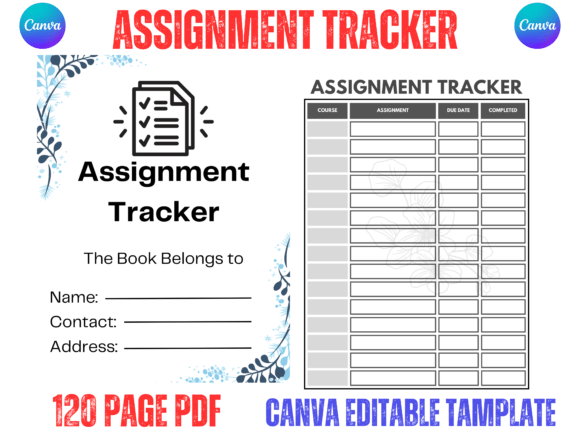
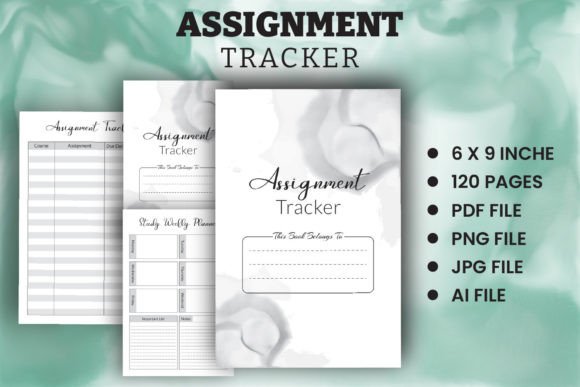
At its core, the Assignment Tracker I KDP Interiors is a specialized interior template formatted for a 6" x 9" book, providing 120 pages of structured tracking space. Unlike generic daily planners, it is conceived with the specific rhythms of a KDP business in mind. Its utility lies in its potential to serve as the central nervous system for your publishing projects. By dedicating space to log assignments, deadlines, and progress, you move from reactive scrambling to proactive management. This shift is fundamental for anyone juggling multiple book titles, ongoing marketing efforts, and the operational details of a small publishing enterprise.
The strategic value here is multifaceted. First, it externalizes your workflow, freeing cognitive load. Instead of relying on memory or disparate digital notes, you consolidate key actions in a single, print-ready resource. This clarity directly supports better decision-making; you can visually assess resource allocation, identify bottlenecks, and prioritize tasks that align with your business goals, be they increasing title output, improving Amazon SEO for your books, or enhancing reader engagement.
Intentional Application: From Goals to Daily Execution
To leverage the Assignment Tracker I KDP Interiors effectively, begin by anchoring its use to your broader business objectives. A random checklist of tasks offers little long-term value. Instead, each tracked assignment should be a stepping stone toward a defined outcome. For example, if your quarterly goal is to publish two new low-content books, your tracker becomes the project plan. You might assign and monitor tasks like "research trending niches," "finalize interior design using provided AI and PNG files," "write compelling book description," and "schedule promotional posts."
Consider the tracker as a bridge between strategy and tactics. Before filling a page, ask: "What is the desired result of this task cycle?" This could be improving operational efficiency, ensuring consistent quality across publications, or methodically building your brand's presence. The editable PDF and JPG files allow you to integrate this tool seamlessly into your existing processes, whether you prefer digital annotation or physical print-outs. The "no bleed" Letter-size formatting ensures professional, hassle-free printing, making the tool practically accessible.
Strategic Use Cases and Planning Nuances
The applications for the Assignment Tracker in a KDP context are diverse. For the marketer, it can orchestrate a launch sequence—tracking assignments for cover design finalization, keyword research completion, and Amazon ad campaign setup dates. For the creator managing a series, it can maintain continuity by tracking character details, plot points, or thematic elements across volumes. Educators and professionals using KDP to publish instructional materials can use it to manage curriculum alignment, illustration deadlines, and review cycles.
A thoughtful approach involves categorizing assignments. You might dedicate sections of the tracker to different phases: Development (writing, design), Production (formatting, upload readiness checks), Marketing (pre-launch, post-launch activities), and Analysis (reviewing sales data, updating strategies). This structural clarity prevents important but non-urgent tasks, like long-term brand building or customer experience analysis from being overshadowed by daily urgencies.
- Batch Processing Tasks: Group similar assignments (e.g., "format three interiors") to capitalize on focused workflow states.
- Integrate Learning Loops: After completing an assignment like "analyze competitor book listings," log insights directly in the tracker, turning action into institutional knowledge for your business.
- Communicate with Collaborators: If you work with designers or editors, a clear tracker provides a shared reference point for deadlines and expectations, reducing miscommunication.
The Risks of Uncontextualized Use
Employing the Assignment Tracker I KDP Interiors without clear goals or context carries subtle risks. It can become merely a record of activity, not progress. The danger is in confusing motion with achievement—filling pages with completed tasks that don’t collectively move your business forward. This tool is most powerful when paired with regular review sessions. Periodically, step back from the daily entries to assess if the tracked assignments are still aligned with your market positioning, creative direction, and financial targets.
Another consideration is flexibility. The KDP landscape evolves quickly; a rigid, over-prescriptive plan can become obsolete. Use the tracker as a guiding map, not an immutable contract. The editable nature of the files supports this—you can adapt your tracking framework as you learn more about audience preferences or operational efficiencies.
Cultivating Long-Term Publishing Discipline
The ultimate value of a tool like the Assignment Tracker I KDP Interiors is its role in cultivating discipline. Publishing success is often a compound result of small, consistent actions executed over time. This tracker helps materialize that principle. By providing a tangible place to commit to and record those actions, it builds accountability and a historical record of your business’s evolution. This record is invaluable for planning future titles, like the additional KDP books and resources you might find in the designer’s profile, as it provides concrete data on what processes worked and where bottlenecks occurred.
Approach each page with a mindset of intentionality. Before writing an assignment, consider its contribution to your brand’s reputation, its impact on the reader's experience, or its role in streamlining your operations. This transforms the tracker from an administrative notebook into a strategic companion. It encourages you to think not just about "what" needs to be done, but "why" it matters and "how" it fits into the larger mosaic of your publishing enterprise.
The provided formats—AI, PNG, JPG, PDF—and the print-ready, upload-ready specifications mean the tool is designed for immediate integration into a working environment. It respects the practical realities of a KDP business owner’s time. The goal, as echoed in the offering, is to help you with your KDP business, providing a structured foundation upon which creativity and strategy can reliably build. By using the Assignment Tracker I KDP Interiors with purposeful direction, you invest not just in completing tasks, but in designing a more controlled, insightful, and ultimately more successful publishing journey.