Structuring Sacred Time: The Role of Planner Interiors in Ramadan Observance
The holy month of Ramadan represents a profound period of spiritual renewal, communal connection, and disciplined reflection for Muslims worldwide. Beyond the physical act of fasting, it is a time for intensified prayer, charitable deeds, and personal growth. Managing this multifaceted experience—balancing daily obligations with spiritual aspirations—can be a complex undertaking. This is where the concept of a dedicated planning tool becomes invaluable. For creators in the Kindle Direct Publishing (KDP) space, designing resources that support this observance, such as a Ramadan Planner with KDP Interiors, addresses a clear and meaningful need in the market.
The Core Functionality of a Ramadan-Focused Planner
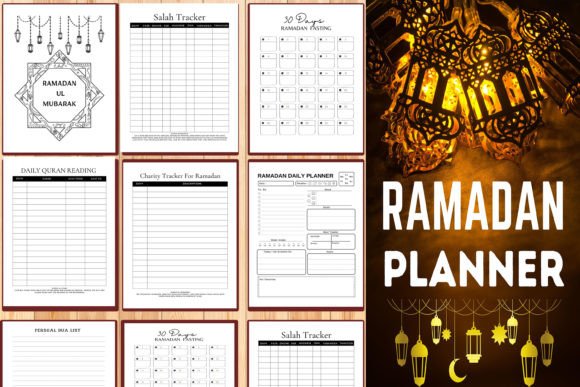
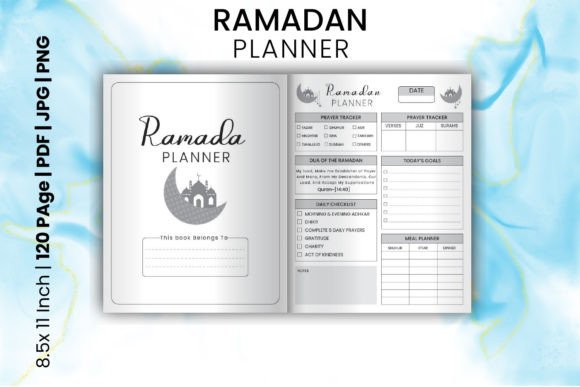
A planner tailored for Ramadan diverges significantly from a generic daily organizer. Its interior structure is built around the unique rituals and rhythms of the month. Key sections typically include detailed daily logs for tracking fasting hours, prayer times, and Quranic reading goals. It offers space for reflecting on personal intentions (niyyah) and recording acts of charity. There might be dedicated pages for planning pre-dawn (Suhoor) and post-sunset (Iftar) meals, essential for maintaining health and energy. Furthermore, it often incorporates educational elements, such as explanations of key terms, verses, or the significance of the last ten nights and Laylat al-Qadr. This specialized layout transforms the notebook from a simple scheduling tool into a holistic companion for the spiritual journey.
From Digital Design to Physical Product: The KDP Workflow
For the KDP business owner, the journey begins with the creation of the interior file. This is the core printable content of the book, designed to be print-ready and ready to upload. Using standard dimensions like Letter size 8.5 in x 11 in ensures compatibility with KDP’s printing specifications. A design that specifies no bleed simplifies the process, as it means the interior content does not extend to the edges of the page, eliminating concerns about trimming margins. The final product is often delivered to the customer as a bundle of editable files—commonly in PNG and PDF formats. The PNG files allow for flexibility and potential customization, while the PDF represents the final, formatted version. This package empowers the KDP seller to upload and publish a professional product without requiring advanced graphic design skills.
Addressing a Diverse Audience of Users
The utility of a Ramadan planner extends across a broad spectrum of users. Busy professionals juggling work commitments with fasting can use it to meticulously plan their days, ensuring they can meet both career and spiritual obligations without compromise. Students and educators can utilize it to schedule study sessions around prayer times and track their spiritual learning. For parents and homemakers, it becomes a central tool for organizing family meals, prayer gatherings, and activities for children throughout the month. Even researchers or individuals with a hobbyist interest in Islamic traditions might use such a planner to document their observations and experiences methodically. The product serves a practical need for observance while also appealing to those who appreciate structured self-improvement tools.
The Tangible Benefits of a Structured Approach
Employing a dedicated planner during Ramadan offers several distinct advantages. First, it fosters intentionality. Writing down goals for Quran completion, charity amounts, or personal reflections moves them from abstract thoughts to committed actions. Second, it provides clarity and reduces overwhelm. The month’s schedule, with its altered sleep and eating patterns, can be disorienting. A visual layout of each day restores a sense of control and order. Third, it creates a personal record. The filled planner becomes a cherished document after Eid, a tangible memory of the month’s journey, struggles, and achievements. This emotional value enhances the product’s significance beyond its functional use.
Key Considerations for KDP Creators and Consumers
When engaging with KDP interiors for planners, several practical aspects merit attention. For the business owner sourcing the design, verifying the file specifications is crucial. Ensuring the PDF is truly print-ready at 8.5 x 11 inches, with clear margins and high-resolution elements, prevents publishing issues. The claim of 120 pages should be checked for logical flow and completeness. For the end consumer purchasing the published planner, the physical quality will depend on the KDP printing process, but the interior content’s usability is paramount. They should assess whether the layout’s sections align with their personal observance style. Some may prefer more space for dietary logging, while others might value extended areas for nightly reflections. The versatility of the provided interior template allows sellers to potentially highlight these different use cases.
Observations on Market Integration and Use Cases
In practice, a successful Ramadan planner integrates seamlessly into the user’s daily ecosystem. It might be observed on a kitchen counter, used to plan the Iftar menu while checking off completed prayers. It could be seen on a office desk, helping a professional schedule important meetings outside of the most intense fasting hours. In a communal setting, a family might use a single planner to coordinate shared activities and goals. The design’s effectiveness lies in its adaptability to these real-world scenarios. A well-structured interior anticipates these environments, perhaps including quick-reference pages for prayer times or a simple grid for daily habit tracking alongside the spiritual components.
Expanding the KDP Business with Niche Products
For the KDP entrepreneur, offerings like the Ramadan planner represent a strategic move into niche, high-demand markets. Seasonal products tied to significant events have recurring annual demand. By providing a complete, editable and print-ready interior file, the designer enables other entrepreneurs to quickly participate in this market without months of design work. This ecosystem supports the broader KDP community. The mention that one can find more KDP books and T-Shirts in the designer’s profile illustrates a common business model: diversifying within a platform by addressing multiple related needs. A planner interior is a digital product; a T-shirt design is a merchandise idea. Both cater to the same audience seeking resources for Ramadan, thereby building a cohesive brand presence.
Ultimately, the creation and distribution of a Ramadan Planner with KDP Interiors is more than a commercial transaction. It is a facilitation of tradition. It provides a structured vessel for the unstructured journey of faith, a means to organize the days so that the practitioner can focus more deeply on the essence of the month. The product’s value is measured not just in its page count or file format, but in its potential to enhance a sacred experience. By understanding the characteristics of the month, the advantages of structured planning, and the practical workflow of KDP publishing, creators can develop resources that are genuinely helpful, fulfilling both a market need and a human one.